

Feeling stressed, anxious, or disconnected from your body? Learn about grounding therapy, how it works, and simple techniques to reconnect, reduce stress, and improve well-being.
Many people today feel overwhelmed, anxious, or disconnected from their own bodies. Grounding therapy, also called earthing, is a simple technique that helps you reconnect with the Earth, reduce stress, and restore balance in your mind and body. This guide explains what grounding therapy is, how it works, and practical ways to start using it today.
Grounding therapy focuses on connecting your body to the Earth’s natural energy. By touching natural surfaces like soil, grass, or sand, or using special grounding tools, your body may absorb the Earth’s energy, which can reduce stress, inflammation, and fatigue. Grounding is used in mental health care, chronic pain management, and wellness practices.

Physical Connection: Walking barefoot or sitting on the ground allows your body to absorb the Earth’s natural electrons.
Energy Balance: This energy may neutralize free radicals, reducing oxidative stress.
Nervous System Regulation: Grounding can calm the nervous system, lowering anxiety and improving focus.
Inflammation Reduction: Some studies suggest it helps reduce inflammation, which benefits chronic pain and fatigue sufferers.

Reduced stress and anxiety – Feel calmer and more centered.
Better sleep quality – Helps regulate the body’s electrical activity and circadian rhythm.
Pain relief – Some people with chronic pain notice reduced discomfort.
Boosted energy – Feeling refreshed and more connected to your body.
Improved mental clarity – Reduced brain fog and better focus.
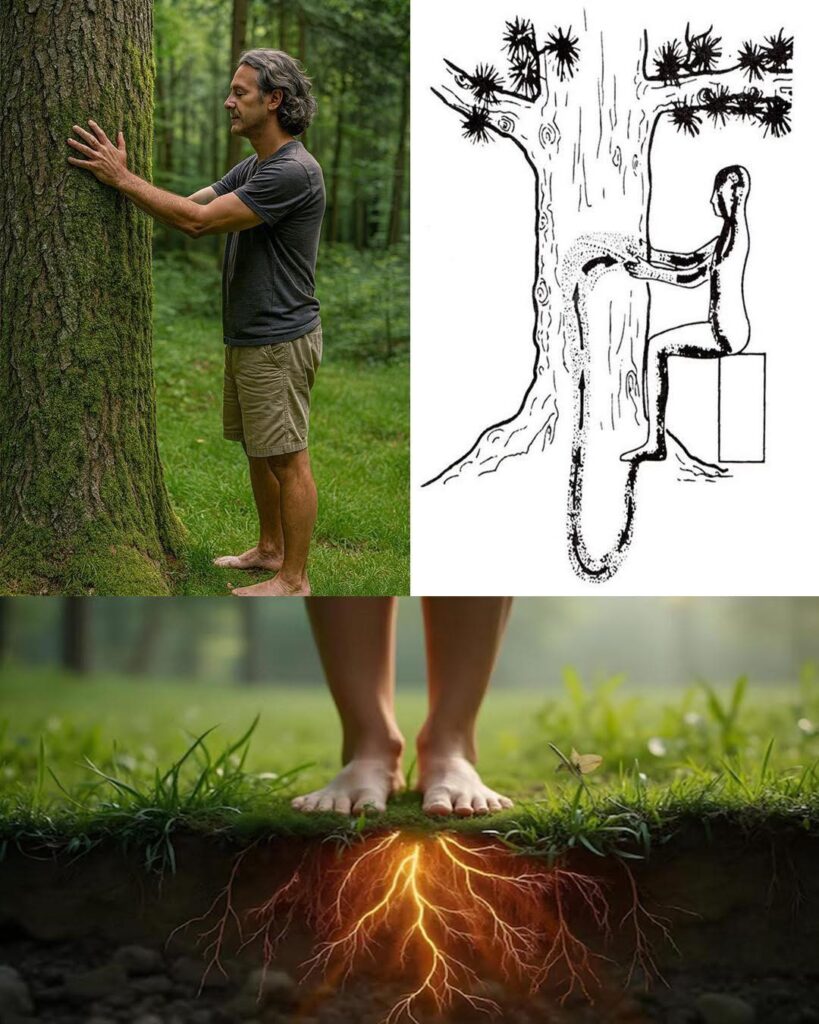
Walk barefoot outdoors – Grass, sand, or soil.
Sit or lie on the ground – Even a few minutes helps reconnect with the Earth.
Use grounding mats or sheets – For indoor grounding.
Gardening or touching soil – Digging, planting, or simply touching the earth.
Water therapy – Standing or wading in natural water can provide grounding benefits.

Use safe surfaces free from sharp objects.
Expose skin where possible to maximize contact.
Combine with deep breathing or mindfulness for enhanced relaxation.
Start slowly if you have chronic pain or sensitivity.
Grounding therapy is a natural and simple way to reconnect your body and mind. It can help reduce stress, improve sleep, and support overall wellness. Just a few minutes a day can help you feel calmer, more energized, and more present in your body.
Q: Can grounding therapy replace medical treatment?
A: No. Grounding is complementary. Always consult a healthcare professional for medical conditions.
Q: How long to see benefits?
A: Some people notice improvement quickly, but consistent daily practice is recommended.
Q: Can I do grounding indoors?
A: Yes. Grounding mats or sheets can mimic outdoor grounding.
Q: Is grounding safe?
A: Generally, yes. Avoid unsafe surfaces or extreme weather.