

Feeling muscle fatigue even after rest? Learn what causes deep muscle fatigue, why your body can feel constantly tired, and strategies to recover effectively.
Do you sometimes wake up or finish resting but still feel muscles heavy, weak, or achy? Deep muscle fatigue can be frustrating and confusing, especially when you feel like you’re resting enough. This type of fatigue can be caused by several factors — from physical overuse to underlying health conditions. Understanding why it happens is the first step to getting back your energy.
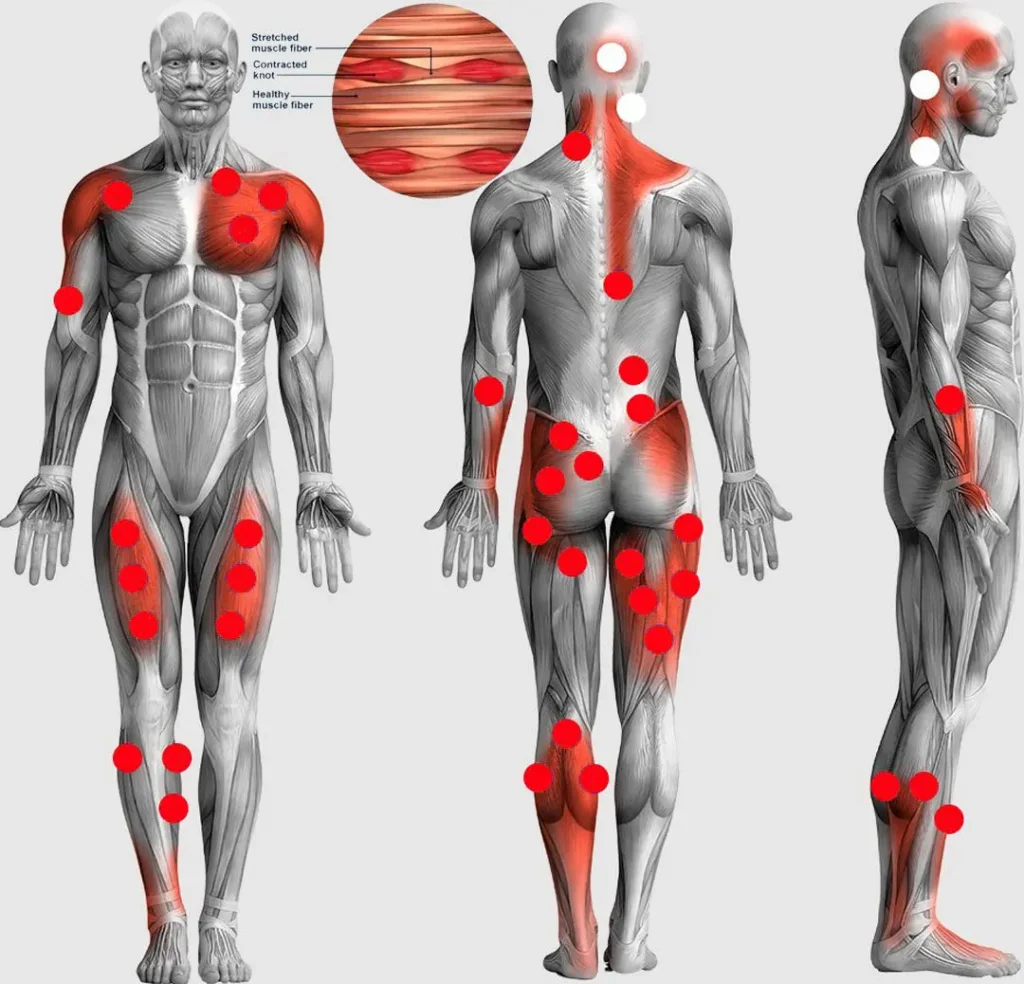
Deep muscle fatigue goes beyond the normal tiredness you feel after exercise. It’s a persistent exhaustion of muscle fibers that doesn’t resolve fully with rest. People often describe it as heaviness, weakness, soreness, or stiffness that lingers for hours or even days.
Unlike ordinary post-exercise soreness, deep fatigue may signal that your muscles or nervous system are struggling to recover properly.

Overtraining or Physical Strain
Even moderate exercise can cause deep fatigue if your muscles aren’t given time to recover. Repeated strain leads to micro-tears in muscle fibers, causing soreness and prolonged tiredness.
Poor Sleep Quality
Muscle recovery happens mostly during deep sleep. Sleep disturbances can prevent muscles from repairing, leaving you feeling exhausted even after resting.
Nutritional Deficiencies
Low levels of iron, magnesium, potassium, or protein can impair muscle function and recovery. Dehydration also reduces the muscles’ ability to work efficiently.
Chronic Conditions
Fibromyalgia: Causes widespread muscle pain and persistent fatigue.
Chronic Fatigue Syndrome (CFS/ME): Leads to prolonged exhaustion even after rest.
Thyroid disorders or autoimmune diseases: Can reduce energy production at the cellular level.
Lactic Acid and Metabolic Build-Up
During exercise, lactic acid can accumulate in muscles. Normally, it clears quickly, but sometimes, especially with low circulation or metabolic issues, it lingers, causing that “heavy” muscle feeling.
Stress and Nervous System Fatigue
High stress activates your sympathetic nervous system, which can prevent muscles from fully relaxing and recovering, keeping them in a semi-contracted state.

Muscle weakness lasts longer than a few days
Fatigue occurs without physical exertion
Pain is widespread or severe
Accompanied by sleep problems, brain fog, or chronic pain
If you notice these, it’s important to consult a healthcare professional to rule out underlying conditions.
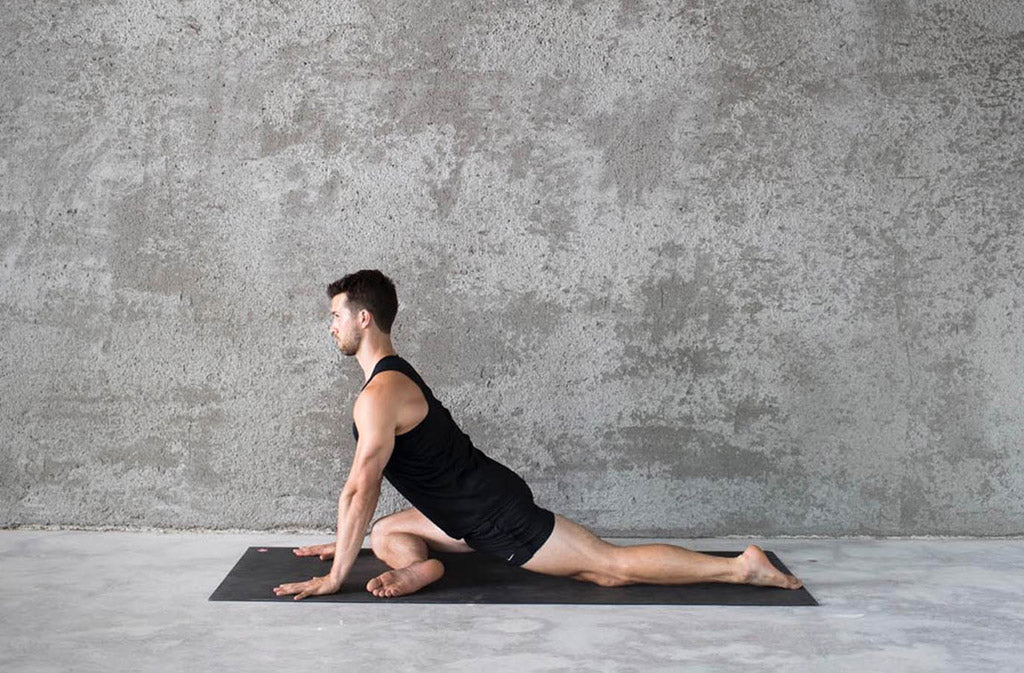
Prioritize Rest and Recovery
Include active recovery like light stretching or walking.
Take rest days after intense exercise.
Improve Sleep Quality
Maintain a consistent sleep schedule.
Limit screens and bright light before bed.
Support Nutrition and Hydration
Eat balanced meals rich in protein, magnesium, potassium, and iron.
Drink plenty of water to keep muscles hydrated.
Gentle Movement & Mind–Body Techniques
Yoga, tai chi, and qigong improve circulation, flexibility, and reduce tension.
Breathing exercises and meditation calm the nervous system.
Professional Support
Physical therapists can provide manual therapy and personalized exercise plans.
Chronic fatigue or pain specialists may help identify underlying conditions.
Deep muscle fatigue is a signal from your body that it needs more than just sleep to recover. By understanding the causes — from overtraining to chronic conditions — you can take targeted steps to restore energy, reduce pain, and prevent long-term fatigue.
Even small adjustments in sleep, nutrition, movement, and stress management can make a significant difference.
Q: Why does muscle fatigue persist even after rest?
A: It may be caused by incomplete recovery, nutritional deficiencies, chronic conditions, or nervous system strain.
Q: Can deep muscle fatigue indicate serious illness?
A: Yes, if it’s persistent, widespread, or accompanied by other symptoms, it’s important to consult a doctor.
Q: Are supplements helpful for muscle recovery?
A: Magnesium, potassium, and protein can help, but they should complement a balanced diet and recovery routine.
Q: Is light exercise safe when experiencing deep fatigue?
A: Yes, gentle movement like stretching, yoga, or walking can improve circulation and speed recovery.