
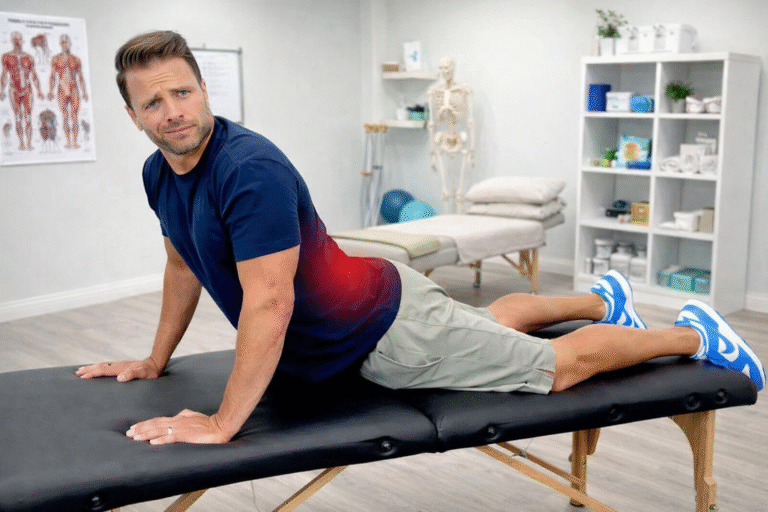
When something hurts, many people immediately think the solution is simple: stretch it.
Stretching is one of the most common pieces of advice people hear for muscle pain, back discomfort, or stiffness. While stretching can be helpful in some situations, it is not a universal fix for every type of pain.
In many cases, stretching the wrong area or stretching too much can actually make the problem worse.
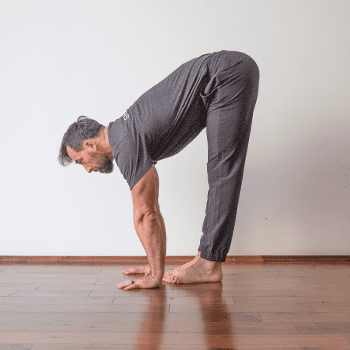
Stretching has long been associated with flexibility, injury prevention, and muscle recovery. Because tight muscles often feel uncomfortable, it seems logical that lengthening them would solve the problem.
But pain is rarely that simple.
The human body is complex, and pain can come from many different sources including joints, nerves, movement patterns, or muscle weakness.
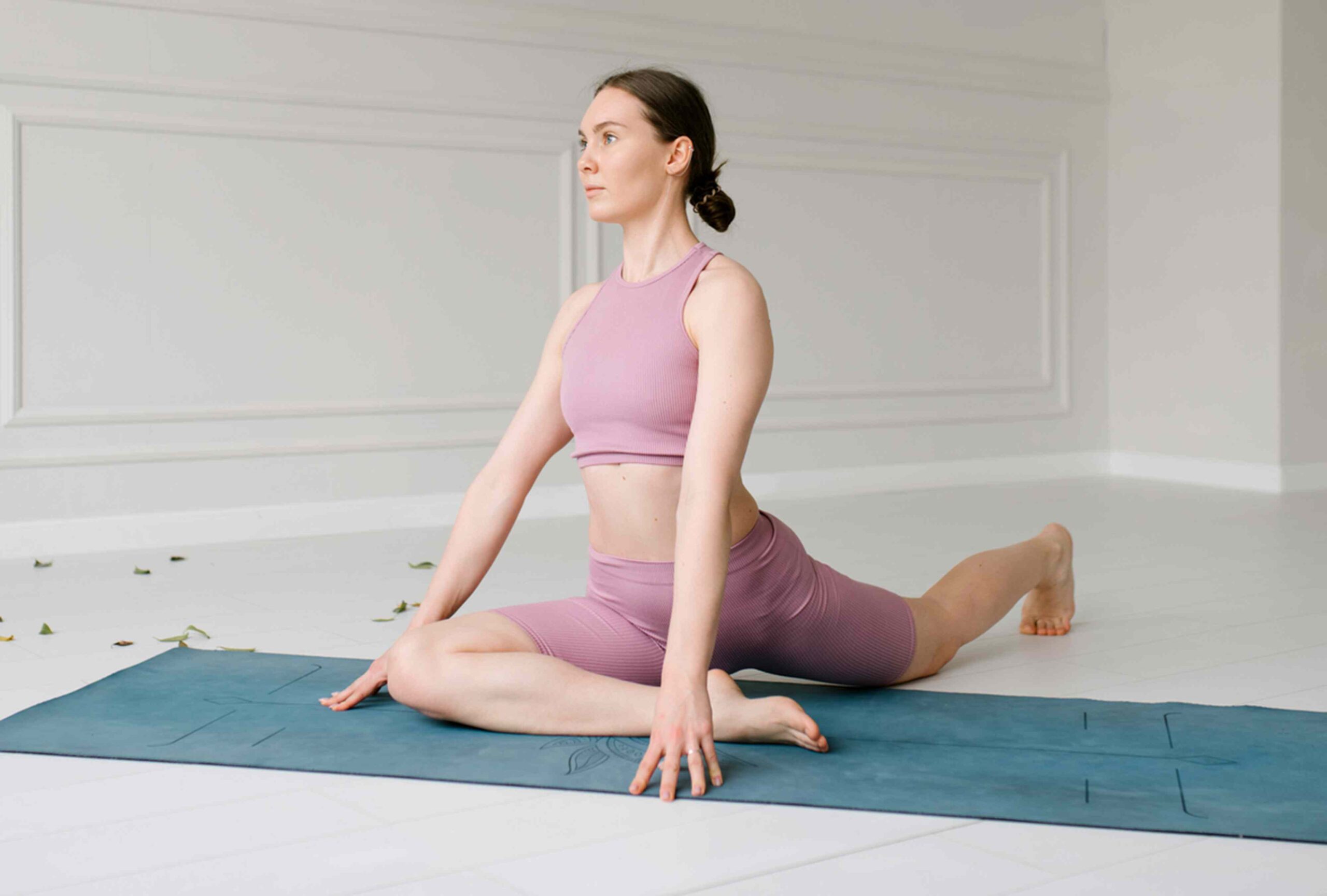
Stretching can be beneficial when pain is caused by genuine muscle tightness or reduced mobility. In these cases, gentle and controlled stretching may help improve range of motion and reduce stiffness.
Stretching may help with:
Muscle tightness from inactivity
Limited joint mobility
Mild post-exercise stiffness
Recovery after certain workouts
However, even in these situations, stretching should be performed correctly and combined with proper strengthening and movement training.
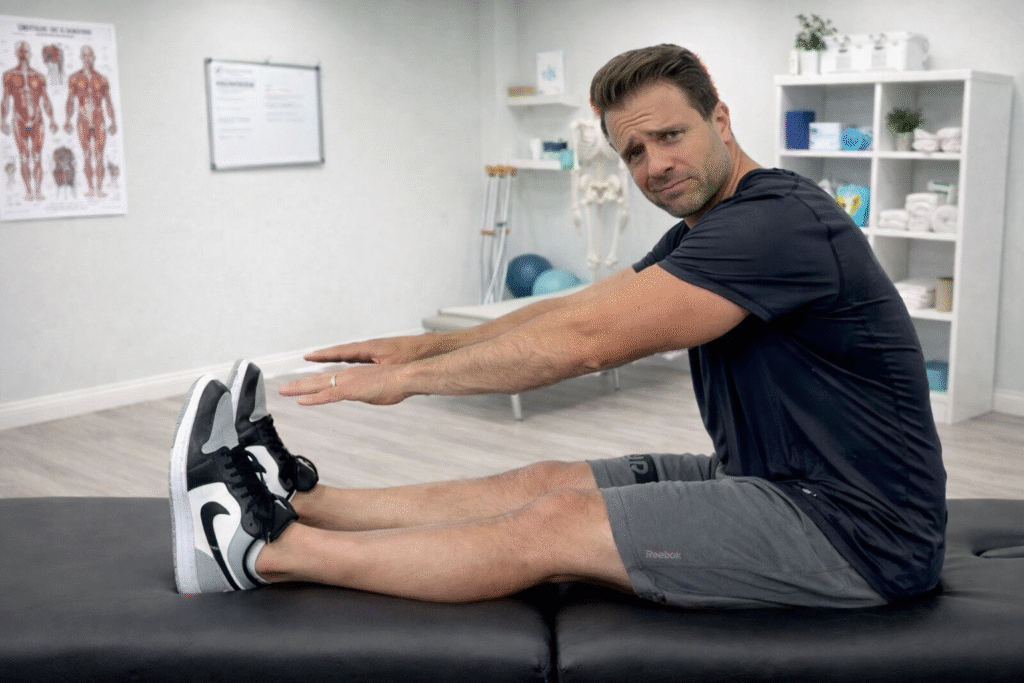
There are many situations where stretching is not the right solution. In fact, it can increase irritation if the underlying problem is something else.
Stretching may worsen symptoms when pain is caused by:
Joint instability
Muscle weakness
Nerve irritation
Poor movement patterns
Overuse injuries
For example, someone with lower back pain may constantly stretch their hamstrings or back muscles, thinking tightness is the problem. But the real issue might be weak core muscles or poor posture.
In this case, stretching only provides temporary relief while the root cause remains untreated.
One of the biggest misconceptions about pain is that it always means something is tight.
In reality, muscles sometimes feel tight because they are weak or overworking to protect another structure. Stretching these muscles may temporarily reduce the sensation of tightness, but it does not correct the underlying issue.
That is why many people stretch every day but still experience the same pain weeks or months later.

Understanding the source of pain is the most important step in finding the right solution.
A proper assessment looks at:
How your body moves
Muscle strength and balance
Joint mobility
Movement patterns during daily activities
This helps identify whether the issue requires stretching, strengthening, mobility work, or a completely different approach.
What Makes MAD’s Approach Different?
At MAD, we do not assume every pain comes from tight muscles.
Our approach focuses on understanding how your body actually functions. This includes:
Movement analysis
Strength evaluation
Mobility testing
Personalized recovery strategies
Instead of applying generic advice, we design targeted protocols that address the root cause of pain.
If This Sounds Like You, You’re Not Alone
Many people stretch every day and still deal with recurring pain.
You may have tried yoga videos, mobility routines, or random stretches you found online, but the discomfort keeps coming back.
This often happens because the real problem was never identified.
Does stretching help with pain?
Stretching can help when pain is caused by true muscle tightness, but it is not effective for every type of pain.
Why do my muscles still feel tight even after stretching?
Muscles can feel tight due to weakness, overuse, or compensation patterns, not just lack of flexibility.
Can stretching make injuries worse?
Yes. If pain is caused by joint instability or nerve irritation, stretching the area may increase symptoms.
What should I do if stretching does not relieve my pain?
A professional assessment can help identify the real cause and determine the correct treatment approach.
Do I need strengthening instead of stretching?
In many cases, strengthening weak muscles and improving movement patterns provides longer lasting relief than stretching alone.