
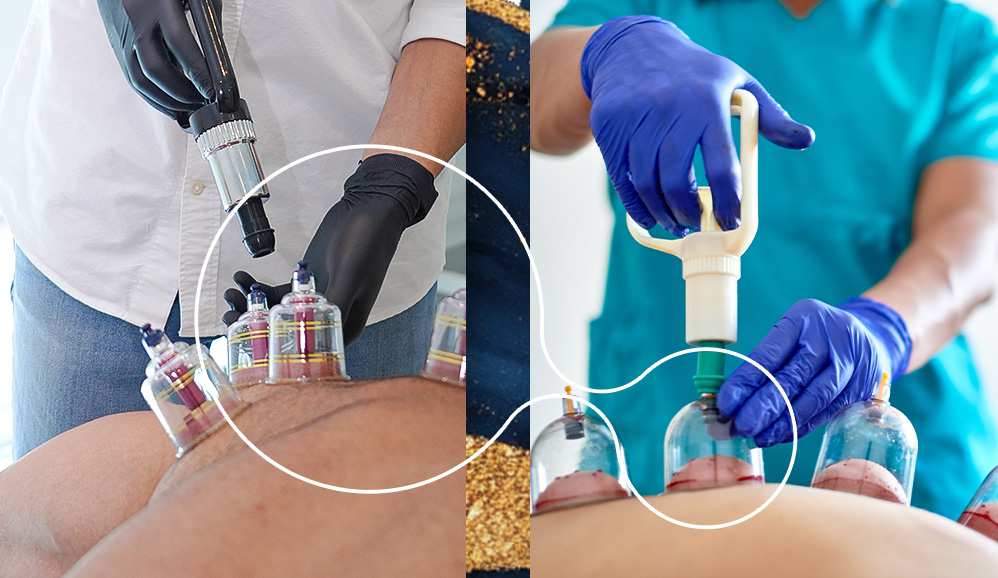
Cupping therapy has been used for centuries to relieve pain, improve circulation, and support overall wellness.
Today, many people hear about dry cupping and wet cupping but aren’t sure what makes them different. While both involve placing cups on the skin to create suction, the techniques and purposes are not the same.
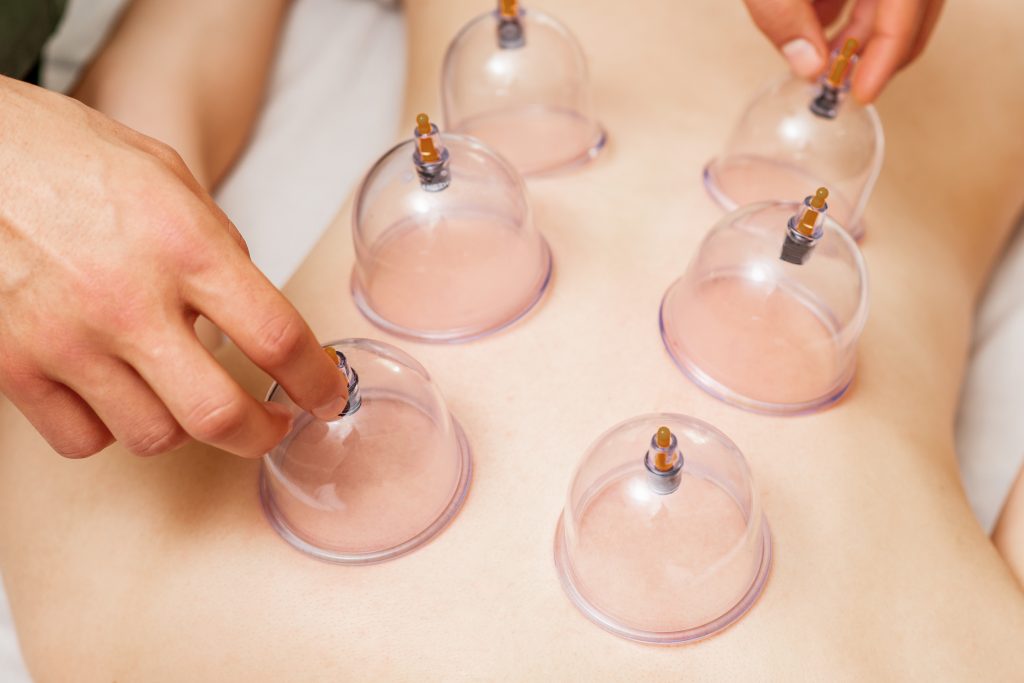
Cupping therapy is a traditional treatment that uses suction to stimulate blood flow, reduce muscle tension, and encourage healing. It is commonly used for back pain, neck stiffness, headaches, sports recovery, and chronic pain conditions.
There are two primary types: dry cupping and wet cupping. Understanding how each works helps you choose the right option for your needs.
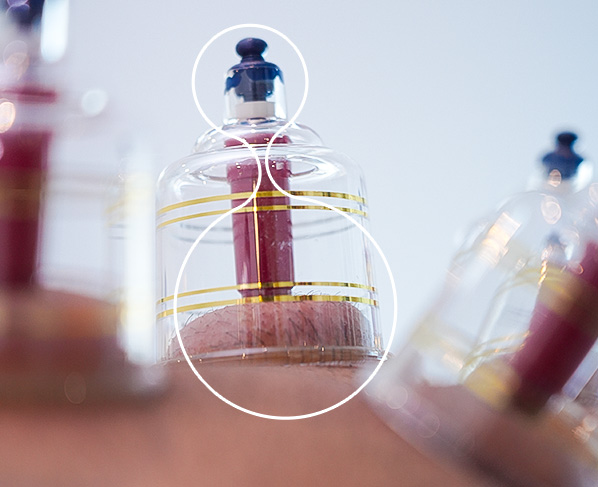
Dry cupping involves placing cups on the skin and creating suction using heat or a manual pump. The skin is pulled upward into the cup, increasing circulation in that area.
Dry cupping works by:
Improving blood flow
Reducing muscle tightness
Supporting lymphatic drainage
Encouraging relaxation
It is commonly used for:
Back and neck pain
Muscle stiffness
Sports recovery
Stress-related tension
After treatment, circular marks may appear. These are not bruises but temporary signs of increased circulation and usually fade within a few days.
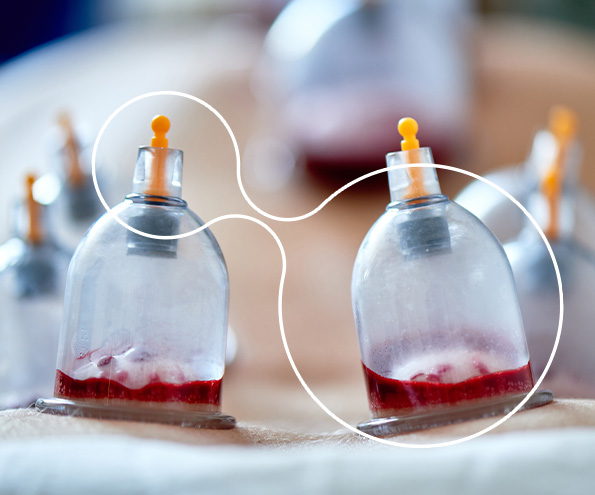
Wet cupping is a slightly more involved process. First, suction is applied to the skin. Then, small superficial incisions are made, and the cup is reapplied to draw out a small amount of blood.
Wet cupping works by:
Removing stagnant blood
Reducing inflammation
Stimulating circulation
Supporting detox processes
It is commonly used for:
Chronic pain conditions
Migraines
Fatigue
Some inflammatory concerns
Because wet cupping involves minor skin incisions, it must always be performed in a sterile, controlled environment by trained professionals.
What Are the Main Differences?
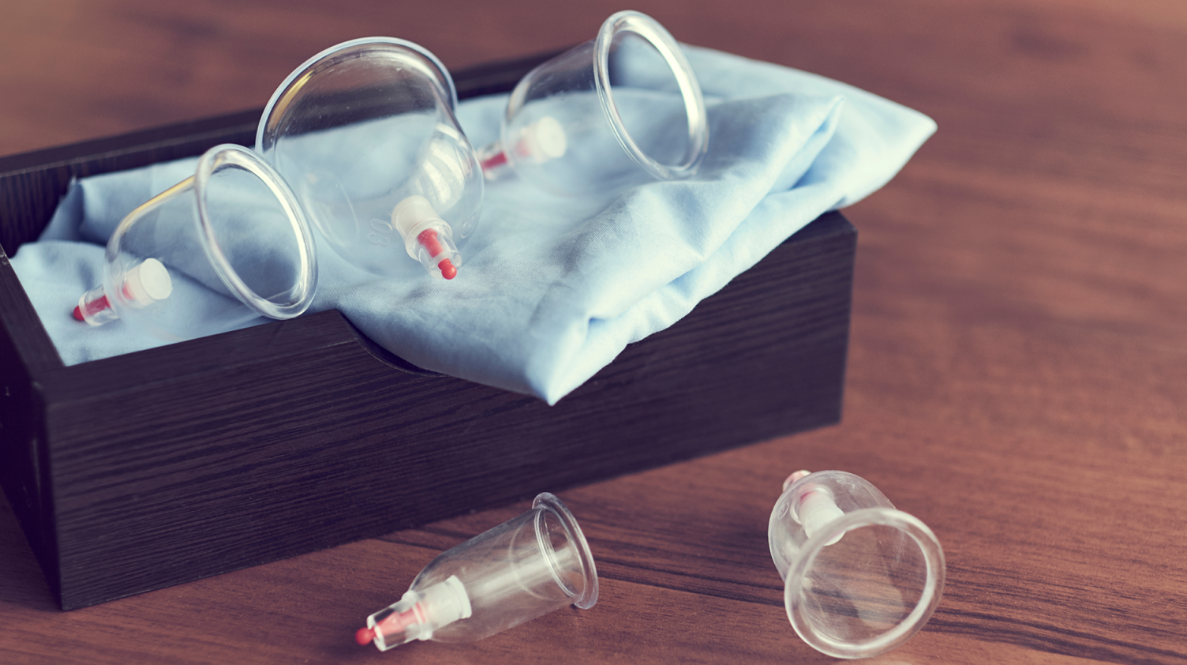
The main differences between dry and wet cupping include:
Skin incisions – Dry cupping does not involve cuts, while wet cupping includes small superficial incisions
Blood removal – Dry cupping keeps the skin intact; wet cupping draws out a small amount of blood
Recovery time – Dry cupping typically requires little to no recovery; wet cupping may require slightly more care afterward
Best use – Dry cupping is often used for muscle tension and recovery, while wet cupping may be used for deeper chronic conditions
Is One Better Than the Other?
Neither method is universally better. The right choice depends on:
Your medical history
The type of pain you are experiencing
Whether your condition is acute or chronic
Your comfort level with minor incisions
For muscle tightness and general recovery, dry cupping is often sufficient. For certain chronic conditions, wet cupping may be recommended after proper evaluation.
What Makes MAD’s Approach Different?
At MAD, we do not recommend treatments based on trends. We assess:
Your full medical history
Your pain patterns and triggers
Your overall health status
Any conditions that may make cupping unsafe
Every treatment plan is personalized to ensure safety and effectiveness.
If This Sounds Like You… You’re Not Alone
Many people live with chronic tension, recurring pain, or fatigue and are looking for natural solutions. Cupping therapy can be a supportive tool—but only when done correctly and safely.
If you are unsure which method is right for you, a professional evaluation can help you make an informed decision.
What is the difference between dry and wet cupping?
Dry cupping uses suction only, while wet cupping includes small superficial incisions and removes a small amount of blood.
Does cupping hurt?
Most people feel tightness or pressure during dry cupping. Wet cupping may cause mild discomfort during the incision step but is generally well tolerated.
Are the marks from cupping bruises?
No. The marks are caused by increased circulation and typically fade within a few days.
Is wet cupping safe?
Yes, when performed by trained professionals using sterile equipment and proper medical screening.
How do I know which type is right for me?
A proper assessment of your symptoms and medical history is the safest way to decide.