

Many people focus on pain, fatigue, or inflammation when dealing with chronic illness, but often overlook one important factor: gut health.
Your gut does more than digest food. It plays a key role in how your body functions, how your immune system responds, and even how you feel day to day.
When gut health is not balanced, it can make chronic symptoms worse and harder to manage.
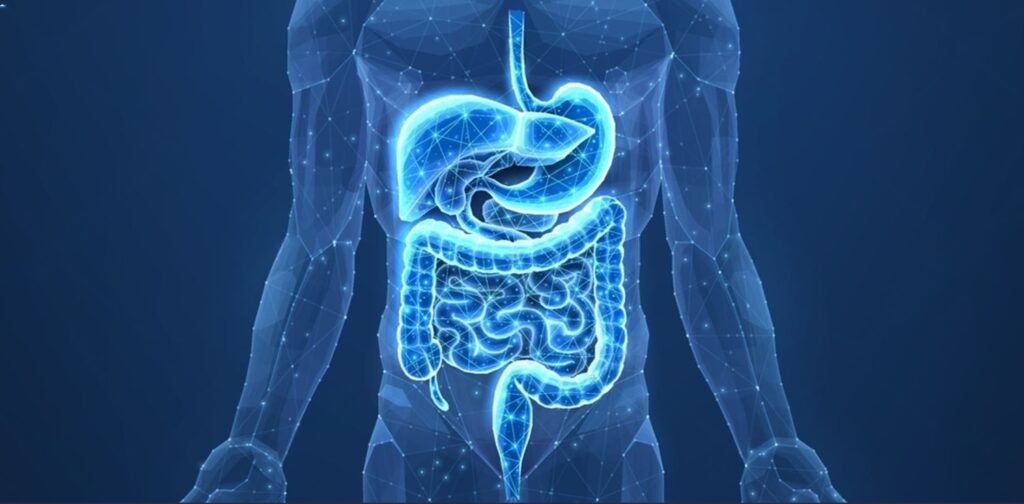
Gut health refers to how well your digestive system functions and the balance of bacteria living in your intestines.
A healthy gut contains a diverse community of beneficial bacteria that help with:
Digestion and nutrient absorption
Immune system regulation
Inflammation control
Communication with the brain
When this balance is disrupted, it can affect multiple systems in the body.

The gut is closely connected to many chronic conditions. When it is not functioning properly, symptoms can become more intense or more frequent.
Some common ways gut health impacts chronic illness include:
Increased inflammation throughout the body
Weakened immune response
Poor nutrient absorption
Greater sensitivity to stress
Worsening fatigue and low energy
This is why people with chronic conditions often experience digestive issues alongside other symptoms.
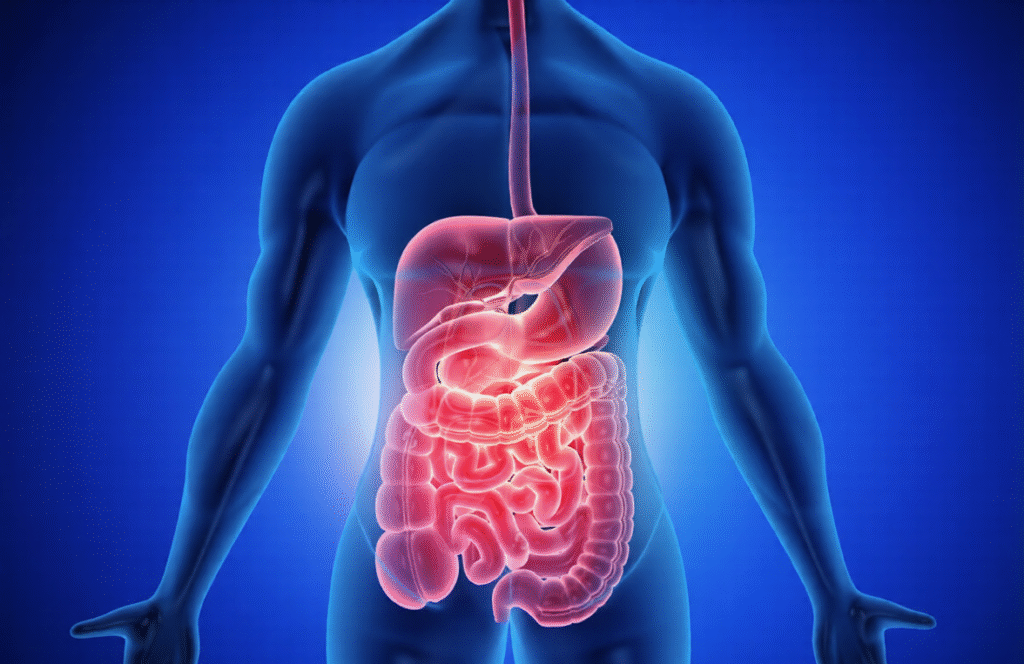
Chronic inflammation is a key factor in many long term health conditions.
An unhealthy gut can contribute to ongoing inflammation by allowing harmful substances to pass into the bloodstream. This may trigger the immune system and lead to increased pain, fatigue, or flare ups.
Improving gut health can help regulate inflammation and support better overall balance in the body.
Pain Does Not Always Mean Tight Muscles
One of the biggest misconceptions about pain is that it always means something is tight.
In reality, muscles sometimes feel tight because they are weak or overworking to protect another structure. Stretching these muscles may temporarily reduce the sensation of tightness, but it does not correct the underlying issue.
That is why many people stretch every day but still experience the same pain weeks or months later.
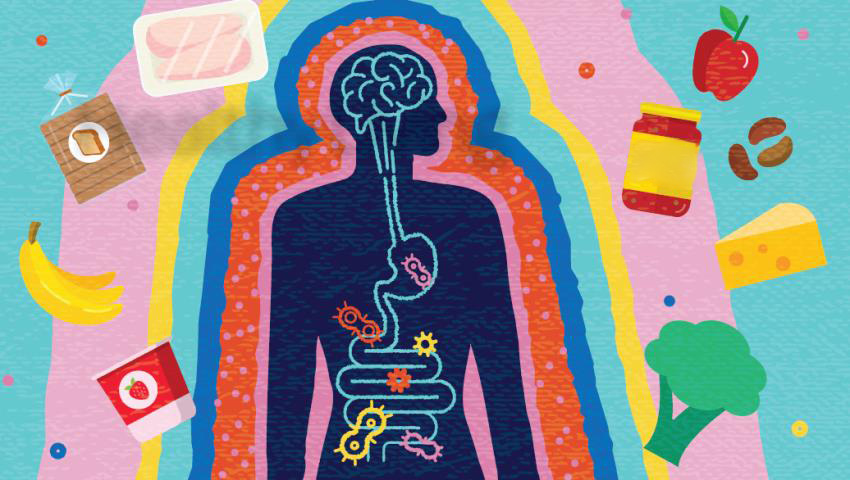
The gut and brain are closely linked through what is often called the gut brain axis.
This connection means that gut health can influence:
Mood and emotional wellbeing
Stress levels
Mental clarity and focus
Sleep quality
This is why people with chronic illness may experience both physical and mental symptoms at the same time.
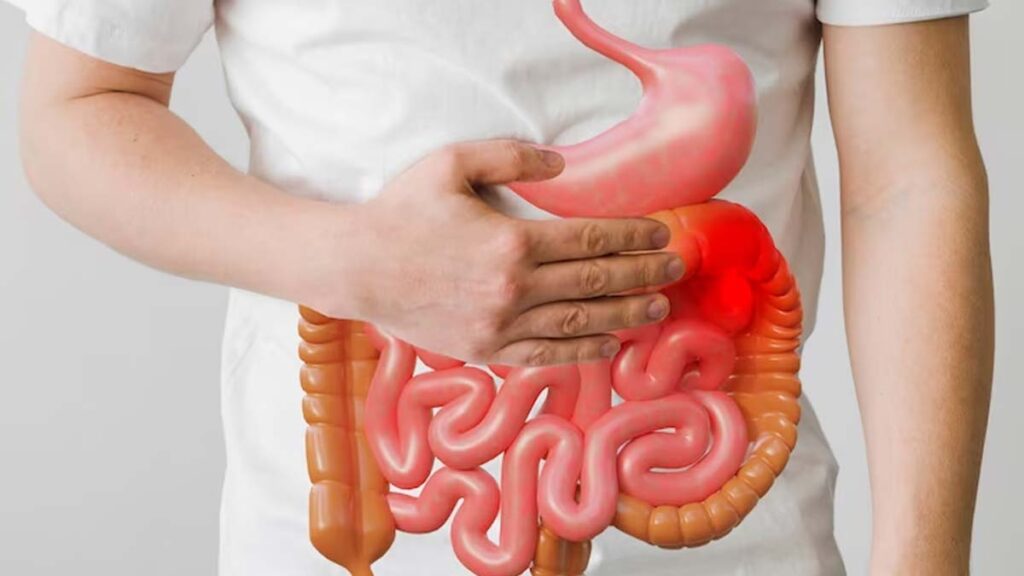
You may want to look at your gut health if you experience:
Bloating or digestive discomfort
Food sensitivities
Irregular bowel movements
Low energy or fatigue
Brain fog
Frequent flare ups of symptoms
These signs do not always point directly to one condition, but they can indicate that the gut may be contributing to the problem.

Chronic illness is rarely caused by a single factor. Gut health is one piece of a larger picture.
Improving symptoms often requires a combination of:
Balanced nutrition
Stress management
Proper sleep
Movement and physical activity
Addressing underlying imbalances
Focusing on one area alone may not be enough to create lasting change.

At MAD, we look beyond isolated symptoms.
We assess:
Your lifestyle and daily habits
Your digestive patterns
Your movement and recovery
Your overall health picture
This allows us to understand how different systems in your body are connected and how they may be contributing to your symptoms.
We then create a personalized plan that supports your body as a whole, not just one part of it.
If This Sounds Like You, You’re Not Alone
Many people with chronic illness feel like they are managing symptoms without truly improving.
If you experience ongoing fatigue, pain, or digestive discomfort, your gut health may be playing a role.
Understanding this connection is an important step toward better long term results.
FAQs
Can gut health affect chronic pain?
Yes. An unhealthy gut can increase inflammation, which may contribute to pain and discomfort.
Why do digestive issues come with chronic illness?
The gut is connected to the immune system and inflammation, which are both involved in many chronic conditions.
Can improving gut health reduce fatigue?
In many cases, better digestion and nutrient absorption can help improve energy levels.
How do I know if my gut is affecting my symptoms?
Persistent digestive issues, fatigue, and brain fog may indicate that gut health is a contributing factor.
Can gut health be improved?
Yes. With the right lifestyle changes and guidance, many people can improve their gut health and overall wellbeing.